
Delhi is a city that never truly sleeps, but it does breathe quietly, slowly, beautifully in the early hours of the morning. Before the traffic builds up and the afternoon heat takes over, Delhi’s green spaces transform into calm, peaceful pockets where the air feels fresh and the pace of life slows right down.
Whether someone is a morning jogger, a yoga enthusiast, a nature lover, or simply a person who enjoys a quiet walk before the day begins, the best parks in Delhi offer something for everyone. From heritage gardens in Delhi lined with centuries-old tombs to wide open lawns perfect for family picnics, the capital is home to some of the most beautiful green spaces in all of India.
This guide walks through the best gardens and parks in Delhi to visit in the morning, complete with timings, entry fee details, nearby metro access, and practical tips to make every visit smooth and memorable.
Why Morning Is the Best Time to Visit Delhi Parks
Most parks and gardens in Delhi are at their absolute best between 6:00 AM and 9:00 AM. Here is why early morning visits stand out:
- The air is noticeably cooler and cleaner, especially from October to February.
- Crowds are thin, so popular spots feel far more peaceful.
- Bird calls fill the canopy, making it ideal for birdwatching.
- The soft morning light is perfect for photography.
- Yoga groups, morning walkers, and joggers create a lively yet relaxed atmosphere.
- The lush green lawns and dewy grass feel refreshing underfoot.
For anyone planning a morning walk in Delhi, heading out before 8:00 AM makes the experience dramatically better.
1. Lodhi Garden – Delhi’s Most Iconic Morning Destination
Location: Lodhi Road, near Khan Market, South Delhi Timings: 6:00 AM – 7:30 PM (open all 7 days) Entry Fee: Free
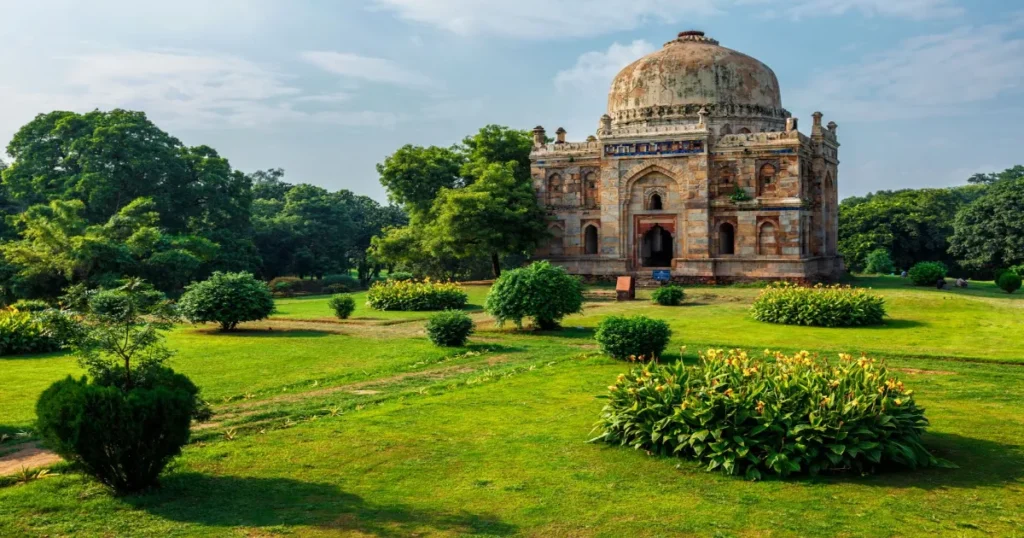
If there is one garden that defines the morning experience in the capital, it is Lodhi Garden. Spread across 90 acres, this is arguably the most well-known and most visited of all the parks in Delhi for morning walk.
History and Architecture
Lodhi Garden is not just a park it is a living piece of history. The garden is home to several significant Mughal-era monuments, including the tombs of Sikandar Lodi and Muhammad Shah, Bara Gumbad, and Shisha Gumbad. These 15th and 16th-century structures stand quietly among manicured lawns and mature trees, giving the place a rare combination of natural beauty and historical depth.
The garden was originally landscaped in the early 20th century by Lady Willingdon and was once known as Lady Willingdon Park. Today it operates as a protected heritage site and one of Delhi’s most cherished green spaces.
What to Do at Lodhi Garden in the Morning
Early morning at Lodhi Garden has a distinct character. Regular yoga groups gather on the grass, joggers move along shaded trails, and elderly walkers enjoy a gentle stroll beneath the trees. The garden also has a charming bonsai park and a rose garden both worth exploring slowly.
Photographers are particularly drawn to the garden before 8:00 AM, when the morning light falls across the stone tombs in a way that is genuinely spectacular.
Practical Tips
- Arrive before 7:30 AM on weekdays for the calmest experience.
- The nearest metro station is Jor Bagh on the Yellow Line.
- Carry water, especially from March through June.
- Photography is permitted without any charges.
2. Sunder Nursery – A Hidden Gem Next to Humayun’s Tomb
Location: Mathura Road, Nizamuddin East, South Delhi
Timings: Tuesday to Sunday, 7:00 AM – 7:00 PM (closed Mondays)
Entry Fee: ₹20 for Indian nationals | ₹200 for foreign visitors
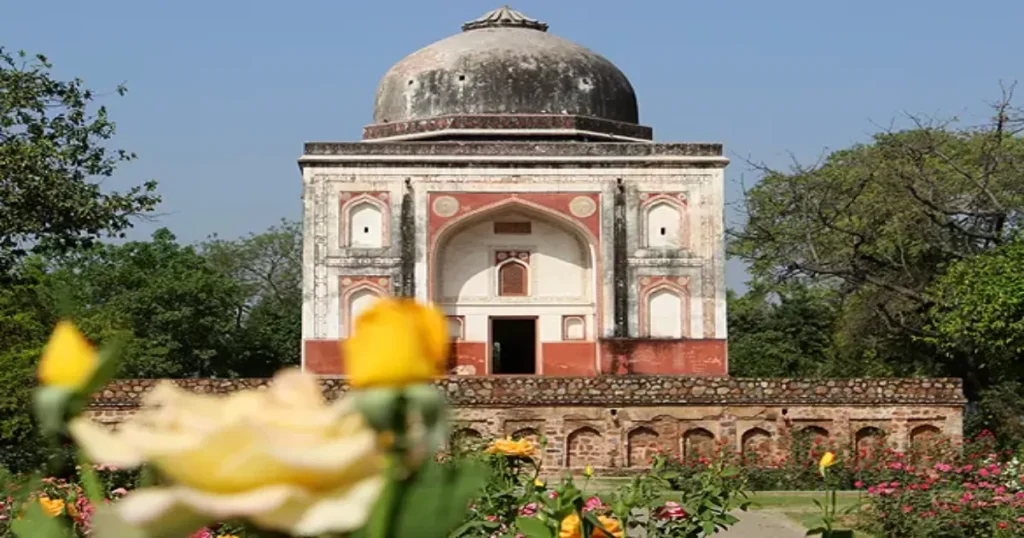
Sunder Nursery is one of the most underappreciated gardens in Delhi, and those who discover it rarely stop talking about it. Sitting adjacent to Humayun’s Tomb, this 90-acre heritage park has been thoughtfully restored to offer a genuinely rewarding visit.
What Makes Sunder Nursery Special
The garden integrates six Mughal-era heritage monuments with lush contemporary landscaping. Butterfly zones, tranquil water bodies, ornamental flowers, and a variety of tree species make it a thriving biodiversity hub. The park is home to around 300 plant and tree species, 80 bird species, and 40 butterfly species making it a paradise for nature lovers and birdwatchers.
Weekday mornings are particularly peaceful here. Large sections of the park often feel completely private, which is rare for any public park in Delhi.
Weekend Highlights
Every Saturday and Sunday, The Earth Collective farmers market is held inside the park, bringing together local produce, artisanal products, and a community-friendly atmosphere. It is a great excuse to combine a morning walk with fresh shopping.
Practical Tips
- The nearest metro station is JLN Stadium on the Violet Line.
- Mornings on weekdays are the quietest and most photogenic.
- Combine a visit here with Humayun’s Tomb for a fuller heritage experience.
3. Nehru Park – The Heart of Chanakyapuri’s Green Belt
Location: Chanakyapuri Diplomatic Enclave, Central Delhi Timings: Open early morning (approximately 5:30 AM onwards) Entry Fee: Free
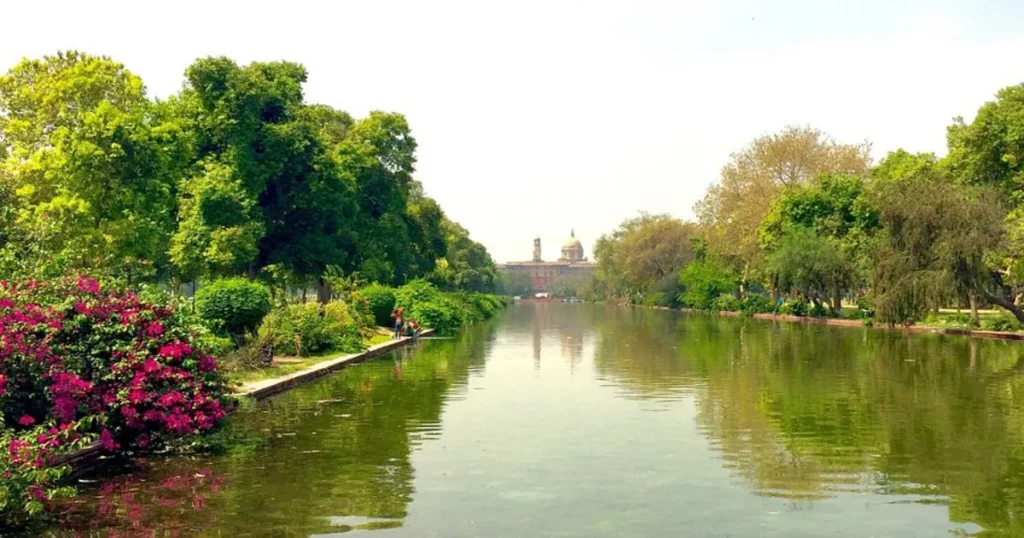
Nehru Park is one of the largest and most well-maintained parks in Central Delhi. Named after India’s first Prime Minister, Jawaharlal Nehru, this 80-acre expanse of greenery sits in the heart of the city’s diplomatic zone.
Why Morning Visitors Love It
The park is a favourite among fitness enthusiasts, particularly those who live in the surrounding embassy areas. Designated walkways, a well-maintained jogging track, and wide open lawns make it one of the best parks for morning walk in Delhi. Yoga sessions take place regularly in the early hours, and the cultural atmosphere gives the space a welcoming, community feel.
Cultural Events and Festivals
Beyond its role as a fitness destination, Nehru Park is known for hosting open-air cultural events, jazz festivals, music concerts, and seasonal food festivals. The popular Palate food festival has been held here, drawing food lovers from across the city.
Practical Tips
- Visit on weekday mornings for the quietest experience.
- The park is well connected by road and easily accessible from nearby metro stations.
- It is an excellent choice for families, couples, and solo walkers alike.
4. Garden of Five Senses – A Multisensory Morning Experience
Location: Said-ul-Ajaib Village, near Saket and Mehrauli, South Delhi Timings: 9:00 AM – 7:00 PM (April–September) | 9:00 AM – 6:00 PM (October–March) Entry Fee: ₹35 for adults | ₹15 for children and senior citizens
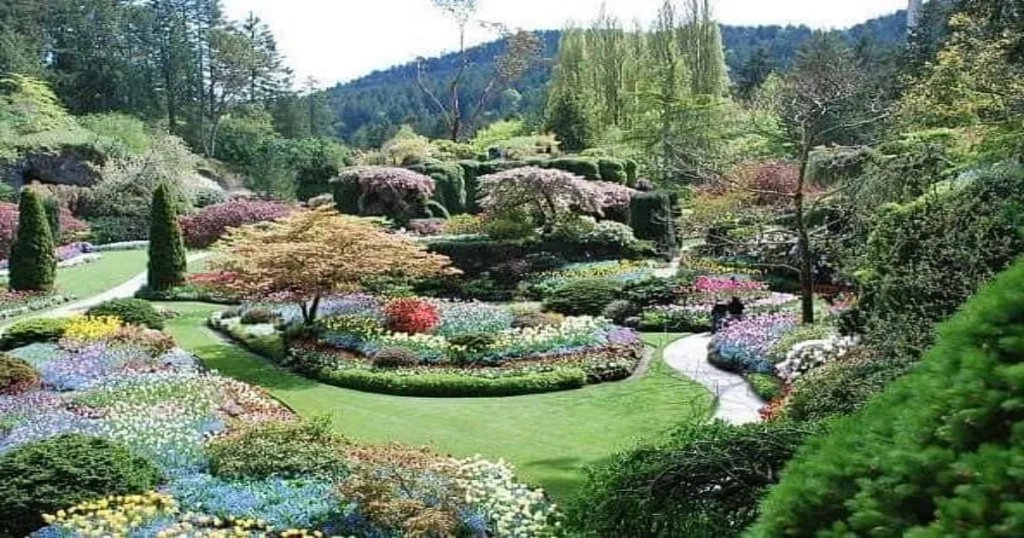
The Garden of Five Senses is one of the most unique and thoughtfully designed urban parks in Delhi. Inaugurated in February 2003 by the Delhi Tourism and Transportation Development Corporation (DTTDC), this 20-acre garden was conceived not as an ordinary park, but as a full sensory experience designed to engage sight, sound, smell, touch, and taste.
Design and Layout
Designed by architect Pradeep Sachdeva, the garden is built on naturally rocky terrain, using the landscape’s own contours as part of its character. Stone pathways, open lawns, water cascades, Mughal-inspired sections, and striking sculptures are woven throughout. Key areas include:
- Khas Bagh – inspired by Mughal garden design, with slow water cascades and fragrant shrubs
- Neel Bagh – featuring a pool of water lilies
- Herb Garden – filled with medicinal plants and aromatic trees
- Solar Energy Park – showcasing solar energy models
- Art installations including metallic bird sculptures and stone carvings
Best Time to Visit
Although the garden opens at 9:00 AM rather than dawn, the cooler morning hours after opening are still the best time to visit especially in summer. October to March is the ideal season overall, when temperatures in Delhi are pleasant and the garden is in full bloom. The annual Garden Tourism Festival, typically held in February or March, is particularly spectacular.
Practical Tips
- The nearest metro station is Saket on the Yellow Line, about a 10-15 minute auto-rickshaw ride away.
- Closed on Mondays check before planning a visit.
- The garden is a plastic-free zone and outside food is not encouraged.
- A food court is available on-site with a variety of Indian snacks and beverages.
5. Indraprastha Park (Millennium Park) – Calm by the Yamuna
Location: Ring Road, Grand Trunk Road, Ganga Vihar, East Delhi Timings: 6:00 AM – 7:15 PM Entry Fee: Free
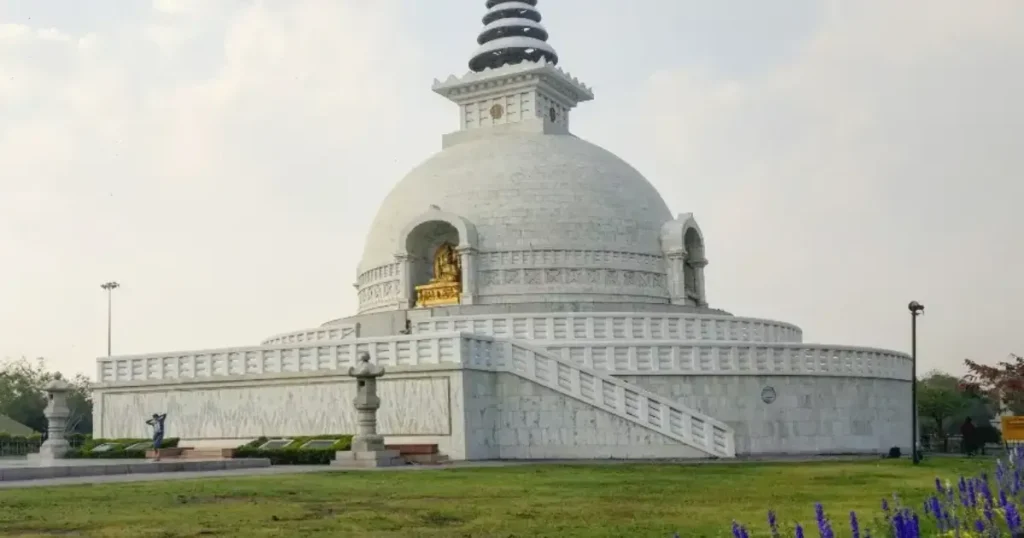
Known locally as Millennium Park, Indraprastha Park is a sprawling haven for early morning walkers and yoga practitioners. The park is distinctive for housing a pristine white Buddhist Stupa, which reinforces the calm and meditative atmosphere that pervades the space.
Why It Works for Mornings
The park is massive, clean, and in the early hours beautifully uncrowded. Open lawns, shaded pathways, and a peaceful environment make it a natural choice for those seeking a quiet morning outdoors. The presence of the Buddhist Stupa adds a spiritual dimension that many visitors find genuinely grounding.
Couples, families, and solo visitors all find the park welcoming at different times, but the early morning hours offer something specia a stillness that the rest of the city rarely provides.
Practical Tips
- Easily accessible by metro and road transport.
- Great for morning yoga, stretching, or a slow mindful walk.
- Best combined with a trip along the Ring Road for a fuller East Delhi experience.
6. Jahanpanah City Forest – Delhi’s Wild Green Lung
Location: Said-ul-Ajaib, South Delhi Timings: Open from early morning Entry Fee: Free
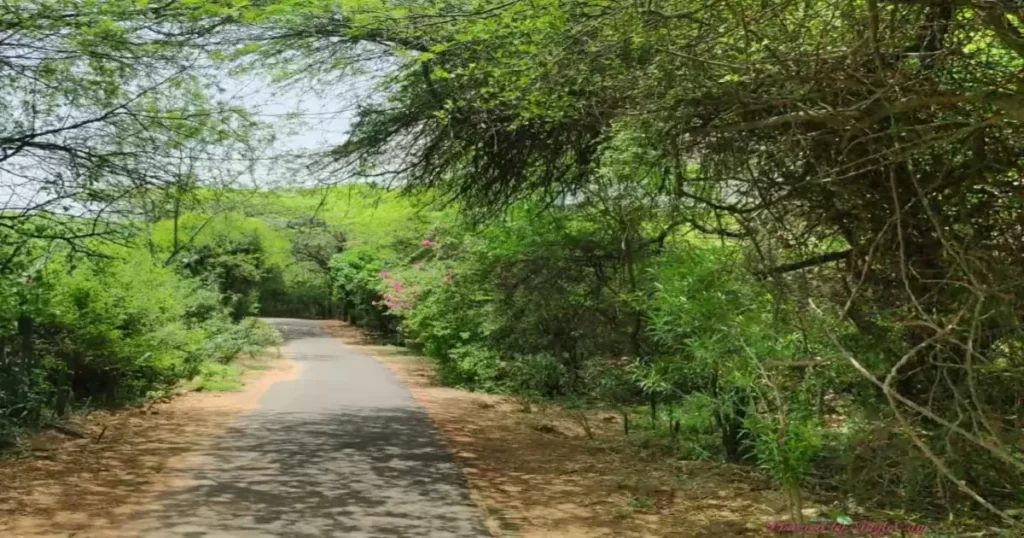
For those who prefer their morning walk to feel less manicured and more wild, Jahanpanah City Forest is an extraordinary option. Spread across 435 acres of dense greenery, this is one of the largest and most natural green spaces within Delhi’s city limits.
The Wild Side of Delhi
Unlike the formally landscaped parks in South Delhi, Jahanpanah City Forest feels genuinely untamed. Peacocks, jackals, and a wide variety of birds are regularly spotted within the forest. The canopy is dense, the trails are shaded, and the silence in the early morning is profound.
This is a favourite among birdwatchers in Delhi and those who enjoy connecting with nature beyond the typical urban park experience. It also sits close to several Mughal-era ruins, making it a historically rich environment for curious walkers.
Practical Tips
- Comfortable shoes and light clothing are a must.
- Visit in winter months for the most comfortable experience and the best wildlife sightings.
- It is advisable to explore in groups early morning as the forest can be dense in sections.
7. Japanese Park, Rohini – A Calm Corner in North Delhi
Location: Rohini, North Delhi Timings: Early morning to evening Entry Fee: Nominal
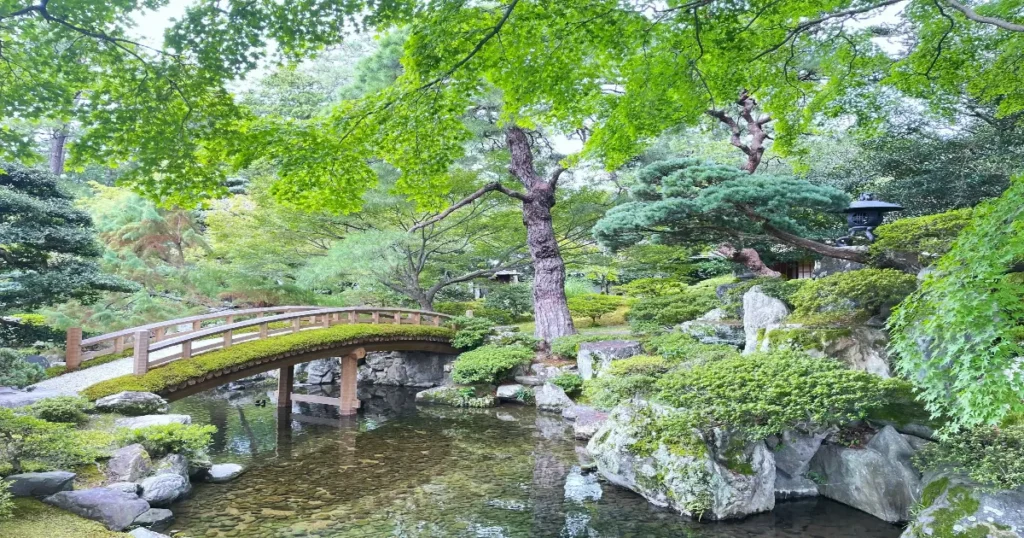
For residents of North Delhi, Japanese Park in Rohini offers a lovely and accessible morning destination. The park has a distinct character a clean lake, vibrant boating options, swings and play areas for children, and wide green meadows that feel fresh and open.
What to Expect on a Morning Visit
Early morning here is genuinely peaceful. The lake catches the soft morning light beautifully, and the atmosphere is ideal for a slow walk or a short workout. Nature lovers enjoy the park for its clean surroundings and the pleasant views across the water.
It is a neighbourhood favourite and reflects the kind of everyday community green space that makes city living more bearable accessible, friendly, and consistently calm in the early hours.
Practical Tips
- Best visited from October to February when the weather is mild.
- The park is family-friendly and suitable for children of all ages.
- Boat rides are available and add a fun element for families visiting in the morning.
8. Roshanara Bagh – A Mughal Garden in North Delhi
Location: Kamla Nagar, North Campus, North Delhi Timings: Early morning onwards Entry Fee: Free
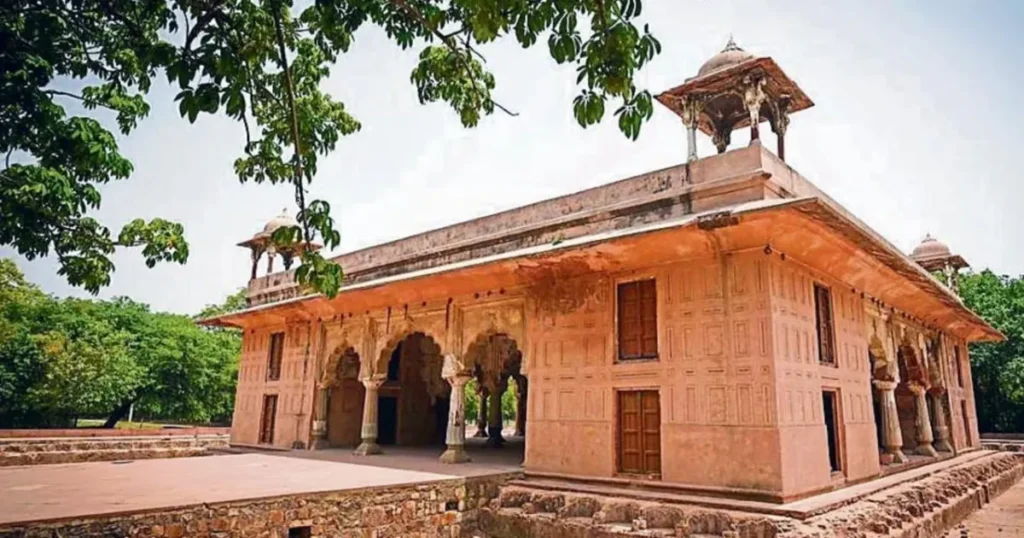
Roshanara Bagh is one of the oldest gardens in Delhi, built in the mid-17th century by Princess Roshanara Begum during the Mughal era. Located in the Kamla Nagar area near North Campus, it is a heritage garden with a distinct character a mix of historic trees, medicinal plants, a lake that attracts migratory birds in winter, and open spaces that feel genuinely relaxing.
Heritage Meets Nature
The garden houses a variety of trees, flowering plants, and medicinal herbs. In winter, the lake becomes a resting spot for migratory birds, making it a wonderful destination for casual birdwatching. The morning atmosphere here is calm, shaded, and unhurried very different from the busier parks in South Delhi.
Practical Tips
- Morning visits from November to February are especially rewarding.
- Great for history enthusiasts who want to explore Mughal-era landscape design.
- A good alternative for visitors staying in North Delhi who want to avoid a long commute.
9. Mughal Gardens, Rashtrapati Bhavan – A Seasonal Spectacle
Location: Rashtrapati Bhavan Complex, Central Delhi Timings: Open annually during the Udyanotsav festival (typically February, for 2–3 weeks) Entry Fee: Free during festival; advance booking required
The Mughal Gardens at Rashtrapati Bhavan are arguably the most visually extraordinary gardens in Delhi but they are only open to the public once a year during the Udyanotsav festival, usually in February.
What Makes It Unmissable
Designed by architect Sir Edwin Lutyens in 1917, the gardens cover 13 acres within the Presidential Palace complex. Terraced lawns, ornamental water channels, and seasonal flower displays including thousands of tulips, roses, and other blooms arranged in geometric Mughal patterns create a visual spectacle that is genuinely unmatched in the city.
Morning visits during the festival period are highly recommended, as the crowds build steadily through the day.
Practical Tips
- Check the Rashtrapati Bhavan official website for exact festival dates and booking details each year.
- Entry is free but registration in advance is typically required.
- The nearest metro station is Central Secretariat on the Yellow and Violet Lines.

More Explorer Delhi:
10. Talkatora Garden – Central Delhi’s Quiet Classic
Location: Willingdon Crescent Road, Central Delhi Timings: Open from morning (note: some afternoon-only timings apply on certain days confirm locally) Entry Fee: Free/Nominal
Talkatora Garden is one of the oldest and most historically significant gardens in Central Delhi. The site holds historical importance a battle between the Mughals and Marathas was fought here in 1738. Today, it is a splendid park with manicured lawns, shaded walkways, and a centrally located indoor stadium.
The garden is quieter than many of its more famous counterparts, making it an attractive choice for those who want a peaceful morning walk in Delhi without the crowds. The surroundings are well-maintained and the atmosphere is pleasant throughout the cooler months.
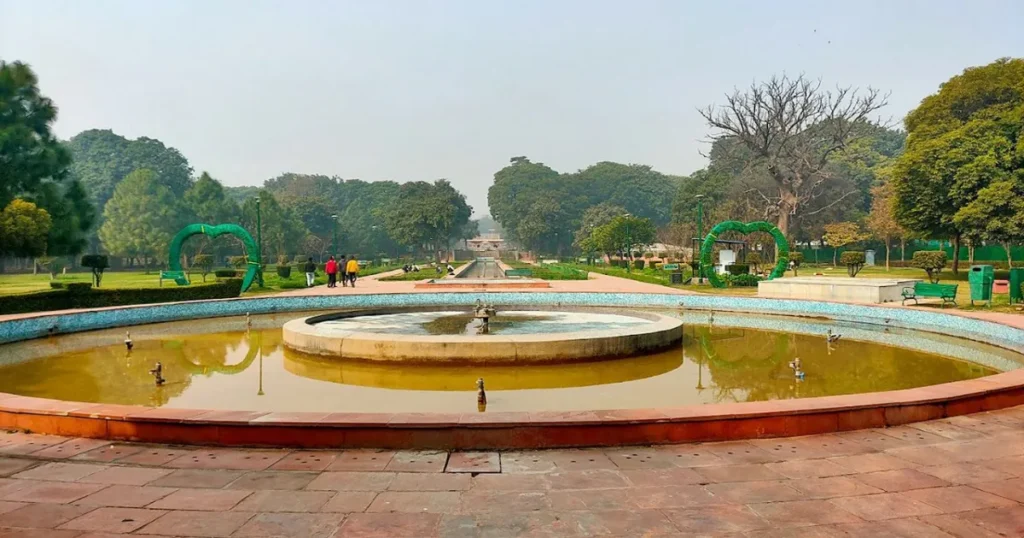
Best Season to Visit Delhi Parks in the Morning
Delhi’s weather plays a major role in the quality of a morning park visit. Here is a season-by-season breakdown:
October to February (Best Season) This is the ideal window for morning visits to any park in Delhi. Temperatures range from roughly 8°C to 25°C, the air feels crisp, and the gardens look their most lush. Morning mist in December and January adds a magical quality to heritage sites like Lodhi Garden.
March to May (Spring and Early Summer) March offers pleasant mornings but heat builds through April and May. Visiting by 7:00 AM is advisable. The Garden of Five Senses and parks with dense tree cover are the most comfortable options.
June to September (Monsoon) Heavy rain and humidity make mornings tricky, but parks come alive with deep green colour. Lodhi Garden and Sunder Nursery are relatively manageable after rain. Paths can be slippery, so appropriate footwear is important.
Tips for a Perfect Morning Park Visit in Delhi
A few practical pointers that make every visit smoother:
- Start early. Most parks open between 5:30 AM and 7:00 AM. Arriving in the first hour means cooler air, less noise, and more space.
- Carry water. Especially from March through June, hydration is essential.
- Use the metro. Delhi Metro connects visitors efficiently to most major parks. Auto-rickshaws cover the last mile at low cost.
- Wear comfortable shoes. Even manicured parks have uneven surfaces, particularly the heritage gardens.
- Check timings before visiting. Seasonal changes and occasional maintenance closures affect operating hours.
- Respect the environment. Most parks are plastic-free zones. Carry a reusable water bottle and take litter back out.
Frequently Asked Questions
Which is the best park in Delhi for a morning walk?
Lodhi Garden is widely considered the best overall option for a morning walk in Delhi. Its combination of Mughal heritage, shaded walkways, and open lawns makes every visit enjoyable across all seasons.
Which Delhi park is best for birdwatching in the morning?
Sunder Nursery and Jahanpanah City Forest are the top choices. Sunder Nursery alone is home to over 80 bird species, making it one of the richest biodiversity parks in Delhi.
Are parks in Delhi free to visit?
Most parks in Delhi including Lodhi Garden, Nehru Park, and Indraprastha Park are completely free. Sunder Nursery and Garden of Five Senses charge a small entry fee.
What is the best time to visit parks in Delhi?
Between 6:00 AM and 9:00 AM is the ideal window. This is when parks are coolest, least crowded, and most lively with morning activity.
Is photography allowed in Delhi parks?
Yes, photography is generally permitted across all public parks in Delhi without restriction. For professional shoots, some parks like the Garden of Five Senses charge a separate commercial photography fee.
Final Thoughts
Delhi’s parks and gardens are far more than just green spaces on a city map. They are places where morning walkers and joggers share the path with history buffs, where yoga practitioners stretch under the same trees as schoolchildren on a field trip, and where the sounds of the city fade into birdsong and rustling leaves.
From the heritage grandeur of Lodhi Garden to the quiet wildness of Jahanpanah City Forest, from the sensory design of the Garden of Five Senses to the seasonal brilliance of Mughal Gardens at Rashtrapati Bhavan each park offers a distinct experience that reflects a different facet of this endlessly layered city.
The best way to experience Delhi is often not through monuments or markets but through these calm, green, early-morning spaces where the city takes a breath and so can everyone in it.